The 2nd Gen IS350 remains a standout in the luxury sports sedan segment. This model brought bold styling, improved handling, and refined powertrain performance to drivers who demand both elegance and excitement. Built between 2006 and 2013, the 2nd Gen IS350 delivered a compelling alternative to German rivals like the BMW 3 Series and Mercedes-Benz C-Class. It combined Lexus’s hallmark reliability with an aggressive new design language that signaled a shift toward sportier dynamics.
Moreover, the 2nd Gen IS350 featured a powerful 3.5-liter V6 engine producing 306 horsepower. As a result, acceleration felt sharp and responsive. At the same time, interior comfort remained a top priority. Therefore, buyers enjoyed premium materials, quiet cabins, and advanced tech for its era. Because of these strengths, the used market still sees strong interest. In fact, many consider this generation the turning point for Lexus in the driver-focused luxury space.
 Evolution of the IS Lineup
The Shift Toward Sportiness
Lexus launched the original IS series to challenge European dominance in compact luxury sedans. However, early models leaned more on comfort than engagement. Then came the 2nd Gen IS350, which marked a dramatic departure. With sharper lines, a lower stance, and rear-wheel drive as standard, it sent a clear message. Lexus now wanted drivers to feel connected to the road.
Additionally, the brand introduced the L-finesse design philosophy during this period. Clean surfaces, angular headlights, and a prominent spindle grille previewed future Lexus styling. Although the grille wasn’t as large as today’s versions, the foundation was clearly laid. Furthermore, available all-wheel drive added year-round confidence without sacrificing too much agility.
Engineers also focused on weight distribution. By placing the engine further back in the chassis, they improved balance. Consequently, cornering became more neutral and predictable. This change made the 2nd Gen IS350 appealing not just for daily commuting but also weekend canyon runs.
Driving Experience and Engine Performance
Power Meets Refinement
Under the hood, the 2nd Gen IS350 packed a 3.5-liter 2GR-FSE V6 engine. This unit produced 306 horsepower and 277 lb-ft of torque. As a result, 0 to 60 mph times hovered around 5.6 seconds. That level of performance put it ahead of several competitors at the time. Moreover, the engine delivered smooth power across the rev range.
The six-speed automatic transmission shifted quickly and intelligently. Paddle shifters gave drivers manual control when desired. Meanwhile, the steering felt precise and communicative compared to earlier models. Although not quite as sharp as a BMW, it offered a balanced blend of feedback and comfort.
Ride quality stayed composed over rough roads thanks to well-tuned suspension. Adaptive Variable Suspension was available on higher trims. Thus, drivers could switch between comfort and sport modes depending on conditions. Additionally, braking performance was strong, with large ventilated discs up front.
Noise insulation also stood out. Even at highway speeds, wind and road noise were minimal. Interior serenity remained a key strength of the 2nd Gen IS350. Therefore, long-distance driving felt effortless and relaxing.
 Interior Comfort and Technology Features
Premium Cabin with Practical Touches
Inside, the 2nd Gen IS350 offered a driver-centric cockpit. High-quality leather, real aluminum trim, and soft-touch plastics covered most surfaces. As a result, the cabin felt luxurious without appearing flashy. The seating position was low and supportive, enhancing the sporty character.
Dual-zone climate control, power-adjustable seats, and a tilt-telescoping steering wheel came standard. Optional upgrades included heated and ventilated front seats. These additions improved year-round comfort significantly. Also, the available Mark Levinson audio system delivered concert-like sound quality.
Infotainment options were modest by today’s standards. Yet, for its time, the navigation system was intuitive and responsive. A central display sat atop the dash, minimizing driver distraction. Bluetooth connectivity allowed hands-free calling, which was cutting-edge then.
Storage solutions were thoughtful. The glove compartment, center console, and door pockets provided ample space. However, rear legroom was tighter than some rivals. Despite this, adults could manage short trips comfortably. Overall, the interior struck a smart balance between style and usability.
Exterior Styling and Aerodynamics
Bold Looks That Still Turn Heads
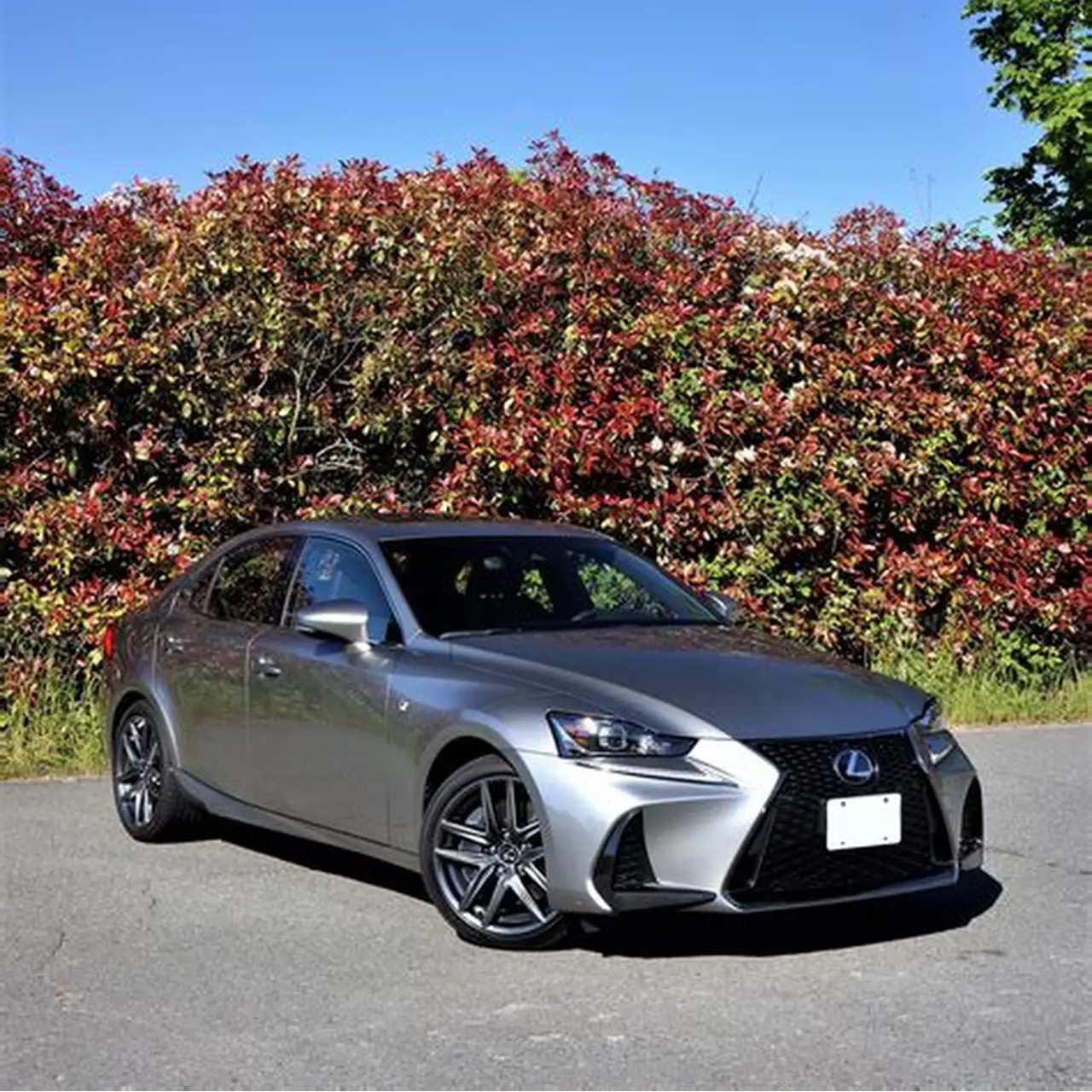
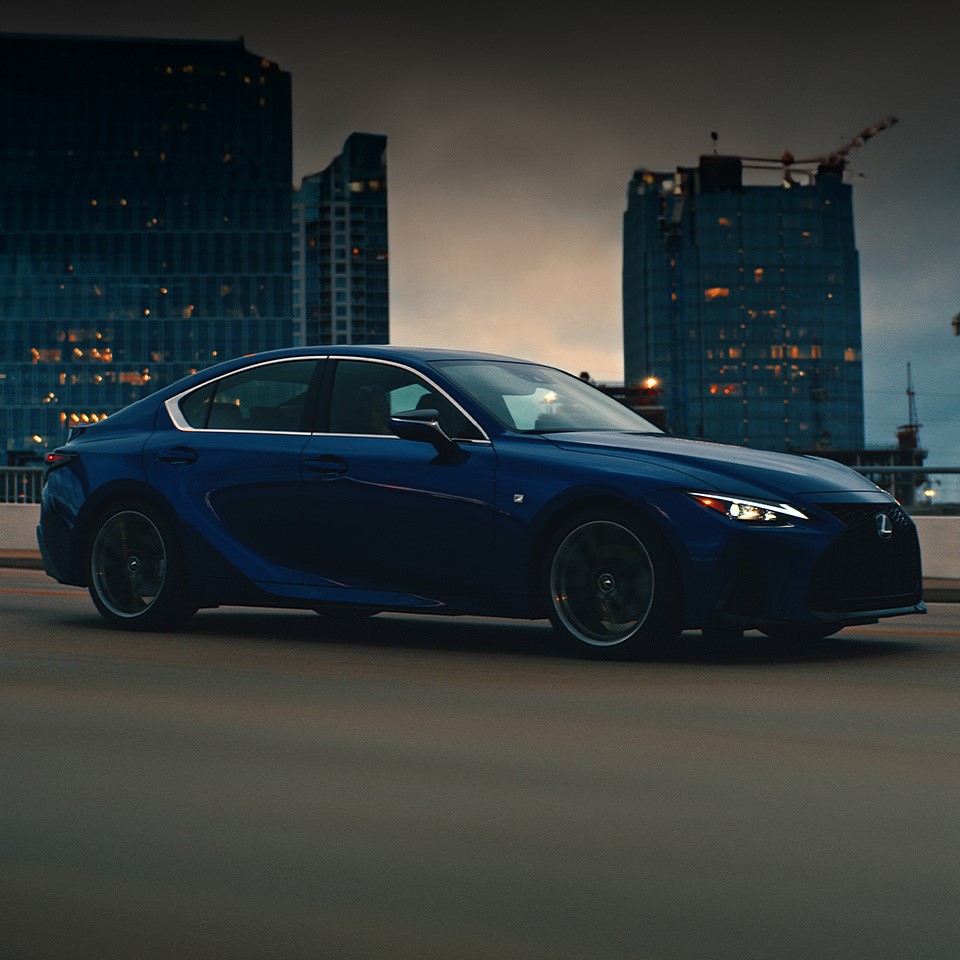
From the outside, the 2nd Gen IS350 exuded confidence. Its wide stance, flared fenders, and swept-back headlights created a dynamic profile. LED daytime running lights enhanced visibility and modern appeal. Meanwhile, chrome accents along the window line added subtle elegance.
The overall shape contributed to better aerodynamics. Engineers optimized airflow to reduce drag and lift. Therefore, high-speed stability improved noticeably. Side mirrors were reshaped for reduced wind noise. Also, underbody panels smoothed airflow beneath the car.
Wheel designs varied by trim level. Base models had 17-inch alloys, while F Sport versions featured 18-inch wheels. Larger tires improved grip and visual presence. Paint options included classic shades like Obsidian and Sonic Platinum. Many owners today still praise the timeless aesthetic.
Because of its clean lines and proportionate form, the 2nd Gen IS350 avoids looking dated. Resale values benefit from this enduring appeal. Even among newer models, it holds its own in terms of curb presence.
 Handling and Chassis Dynamics
Balanced Engineering for Real-World Roads
Chassis tuning played a major role in the 2nd Gen IS350’s success. Engineers prioritized responsiveness without compromising ride comfort. The double-wishbone front and multi-link rear suspension worked together effectively. Hence, bumps were absorbed smoothly, even on broken pavement.
Electronic Power Steering replaced hydraulic systems. While purists missed the analog feel, the new setup improved fuel efficiency. It also allowed for variable assist based on speed. At low speeds, steering was light and easy. At higher speeds, it firmed up for better stability.
Vehicle Stability Control and traction management systems operated unobtrusively. They intervened only when necessary, preserving driver involvement. Brake Assist and Electronic Brakeforce Distribution improved stopping safety. All these features contributed to a secure driving experience.
F Sport models received upgraded suspension components. Stiffer springs, thicker sway bars, and performance dampers sharpened response. Drivers noticed less body roll during aggressive maneuvers. Nevertheless, daily drivability remained intact.
Reliability and Ownership Costs
Long-Term Value Without Surprises
One of the strongest arguments for choosing the 2nd Gen IS350 is reliability. Lexus has long been known for durable engineering. This generation continued that tradition. Most mechanical systems require little maintenance beyond routine service.
The 3.5-liter V6 engine is robust when properly maintained. Timing chains do not need regular replacement like belts. Oil changes every 5,000 to 7,500 miles help preserve longevity. Cooling system inspections prevent overheating issues down the road.
Transmission problems are rare but possible after 150,000 miles. Early detection through fluid checks can extend life. Brake wear is average, with pads lasting 40,000 to 60,000 miles. Tires depend on driving style, though performance compounds wear faster.
Insurance rates tend to be moderate for this class. Parts availability remains good due to strong aftermarket support. Repairs are generally less expensive than German equivalents. For these reasons, the 2nd Gen IS350 offers peace of mind over time.
Customization and Aftermarket Support
Enhancing Performance and Style
Many owners choose to personalize their 2nd Gen IS350. The platform responds well to modifications. Cold air intakes and cat-back exhausts improve throttle response and sound. ECU tuning unlocks slight power gains without compromising reliability.
Suspension upgrades include coilovers and lowering springs. These enhance appearance and cornering ability. Big brake kits from brands like StopTech offer better fade resistance. Lightweight forged wheels reduce unsprung mass for sharper handling.
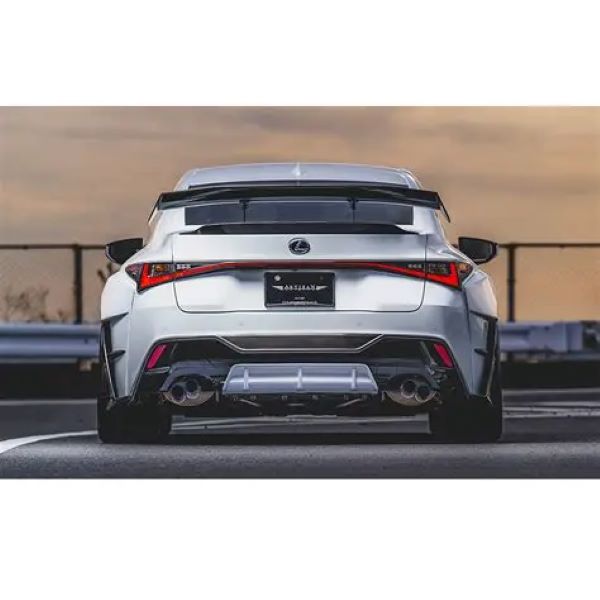
Exterior changes range from subtle to aggressive. Front lip spoilers, side skirts, and rear diffusers enhance aerodynamics visually. Window tinting and ceramic coatings protect glass and paint. Some enthusiasts install projector fog lights or HID conversions.
Interior mods include carbon fiber trim and custom floor mats. Pedal covers and shift knobs add a personal touch. Backup cameras and modern head units upgrade functionality. Because of strong community interest, parts are widely available online.
 Frequently Asked Questions
Common Concerns About the 2nd Gen IS350
Is the 2nd Gen IS350 reliable? Yes, it has a strong reputation for durability. Most issues arise only with poor maintenance. Regular servicing prevents major repairs.
Does it use a lot of oil? Some engines may consume small amounts over time. However, excessive consumption usually indicates a problem needing inspection.
Are parts hard to find? No, OEM and aftermarket suppliers stock most components. Online forums also help locate rare items.
Can it handle winter driving? Especially with AWD models, yes. Traction control and stability systems aid slippery conditions. Proper snow tires make a big difference.
How does it compare to German rivals? It trades ultimate handling precision for greater comfort and reliability. Maintenance costs are typically lower.
Is fuel economy good? For its power, yes. Expect around 18 mpg city and 25 mpg highway. Driving habits affect real-world results.
Does it support modern tech? Not natively, but upgrades like Android Auto adapters exist. Retrofitting navigation or backup cameras is common.
 Final Thoughts on the 2nd Gen IS350
Why This Model Still Matters Today
The 2nd Gen IS350 represents a pivotal moment for Lexus. It proved the brand could build an engaging driver’s car without sacrificing luxury. Performance, comfort, and reliability come together in a cohesive package. As a result, it earned respect in a competitive marketplace.
Today, used examples offer excellent value. Buyers gain access to premium features at accessible price points. Maintenance costs remain reasonable compared to European brands. Plus, strong resale value reflects lasting appeal.
Owning a 2nd Gen IS350 means enjoying a well-rounded luxury sedan. Whether commuting, traveling, or simply enjoying a spirited drive, it delivers. Enthusiasts appreciate its modularity and strong foundation.
Ultimately, the 2nd Gen IS350 stands as a benchmark from its era. It bridged the gap between refinement and excitement. For anyone seeking a capable, stylish, and dependable vehicle, it remains a smart choice.